How Does Fat Disappear? The Truth About Losing Weight – Understand It, and You’ll Slim Down
Apr 28,2025
How Is Fat Formed?
When the body consumes calories, a portion is used for energy, while any surplus is converted into triglycerides and stored in fat cells. Fat is essentially the result of overeating. These fat cells are incredibly adaptive and have a unique characteristic: *they can expand indefinitely*. In simple terms, the more you eat, the larger these fat cells grow, and the heavier you become.
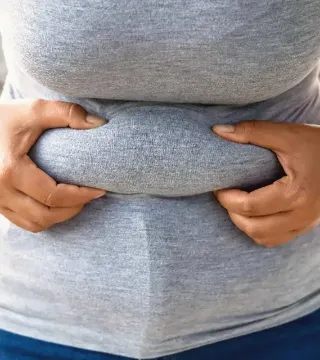
The Key to Tackling Obesity
The key to solving obesity lies in adjusting your diet and
gradually changing your body composition to develop a
"fat-resistant" body. Without addressing this, even strict
dieting won’t work in the long term. In reality, the root
cause of obesity is a body that’s predisposed to gaining
weight. This happens because fat cells enlarge and form a
“memory” of your heaviest weight, eventually creating a
body that’s more prone to gaining fat.
Does Eating Fat Equal Gaining Fat?
The belief that “eating fat = gaining fat” is a common mistake among those trying to lose weight. Consuming fat doesn’t directly lead to weight gain. During weight loss, it’s essential to include healthy fats like those found in nuts, fatty fish, and seeds. These unsaturated fatty acids not only promote cardiovascular health but also aid in weight management. However, moderation is key—no matter the source, excessive fat consumption will lead to weight gain. Eating the right amount is crucial for optimal results.
Can Skipping Meals and Starving Help You Lose Weight?
Some people believe that skipping meals and starving can burn excess fat, but that’s not true. When the body is deprived of food, it first uses glycogen from the blood for energy, followed by liver glycogen and muscle glycogen. This process is slow, so skipping meals does not lead to significant fat burning.
C55H104O6 + 78 O2 → 55 CO2 + 52 H2O
(Average triglyceride) + (Oxygen) → (Carbon dioxide) + (Water)
This formula shows how fat is metabolized. With the participation of oxygen, fat is broken down into carbon dioxide and water.
How Fat Is Burned
Most fat is expelled from the body through **breathing**. Once oxidized, around 84% of fat exits the body as carbon dioxide, and 16% as water. The more oxygen you consume, the more triglycerides you burn. Essentially, fat is exhaled as carbon dioxide.
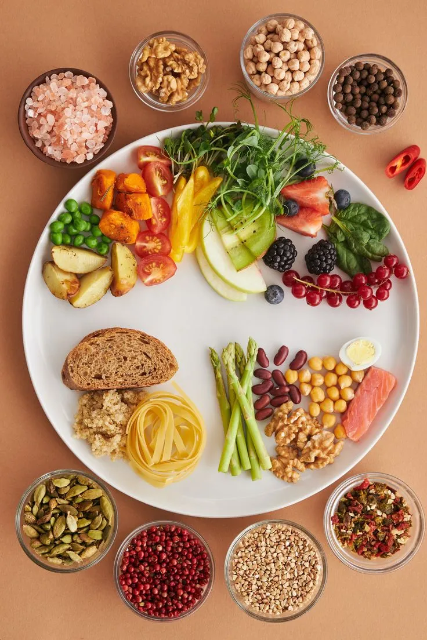
Ways to Burn Fat
- What is the best way to consume fat?
Eat - eat smartly and effectively to improve fat decomposition. To lose fat, you need to eat effectively, that is, choose the food you eat smartly, thereby reducing blood sugar fluctuations, so as to reduce insulin secretion and prevent insulin from inhibiting fat decomposition, so that you can maximize your fat loss. Fat breakdown.
- What are the best ways to consume fat?
Sleep - Ensure at least 7 hours of sleep every day. Don't stay up late and lack sleep. In addition to reducing your metabolic capacity, lack of sleep can also cause an increase in your appetite. When you lack sleep, you will crave greasy and salt-rich foods more because your biological clock is disrupted. At this time, your body will produce more ghrelin, which will stimulate the body's desire for sugar and salt. .
- What is the best way to consume fat?
Exercise – Exercise is the last word. At the beginning of exercise, our body consumes the sugar we eat, and then begins to burn fat for energy. During the oxidation of fat, two metabolic substances are produced, one is water, and the other is carbon dioxide. It can be excreted from the body through sweat and urine, while carbon dioxide is excreted through breathing. So when we exercise, we must keep breathing smoothly and don't hold our breath. Breathing is really important! We expel fat through breathing.
Comment
.png?w=1080&h=1080)