Learn to Embrace Hunger: Awakening Vitality Through Fasting
Nov 01,2025
The Benefits of an Empty Stomach
- Sharper Mind
![]()
Hunger triggers the release of ghrelin, which enhances brain activity. You’ll find yourself working more efficiently and thinking more clearly. - Deep Body Cleansing
Fasting helps clear out waste in the intestines, improving the overall gut environment. - Emotional Stability
An empty stomach stimulates the production of endorphins, easing stress and lifting your mood. - Stronger Self-Discipline
When you master your appetite, you build the resilience to manage other challenges in life. - Better Health
Fasting boosts metabolism, helping you maintain a stronger, healthier body. - A More Youthful Body
Fasting activates autophagy, supports mitochondrial growth, and improves skin condition, helping you stay younger for longer.

Obesity ≠ Poor Health
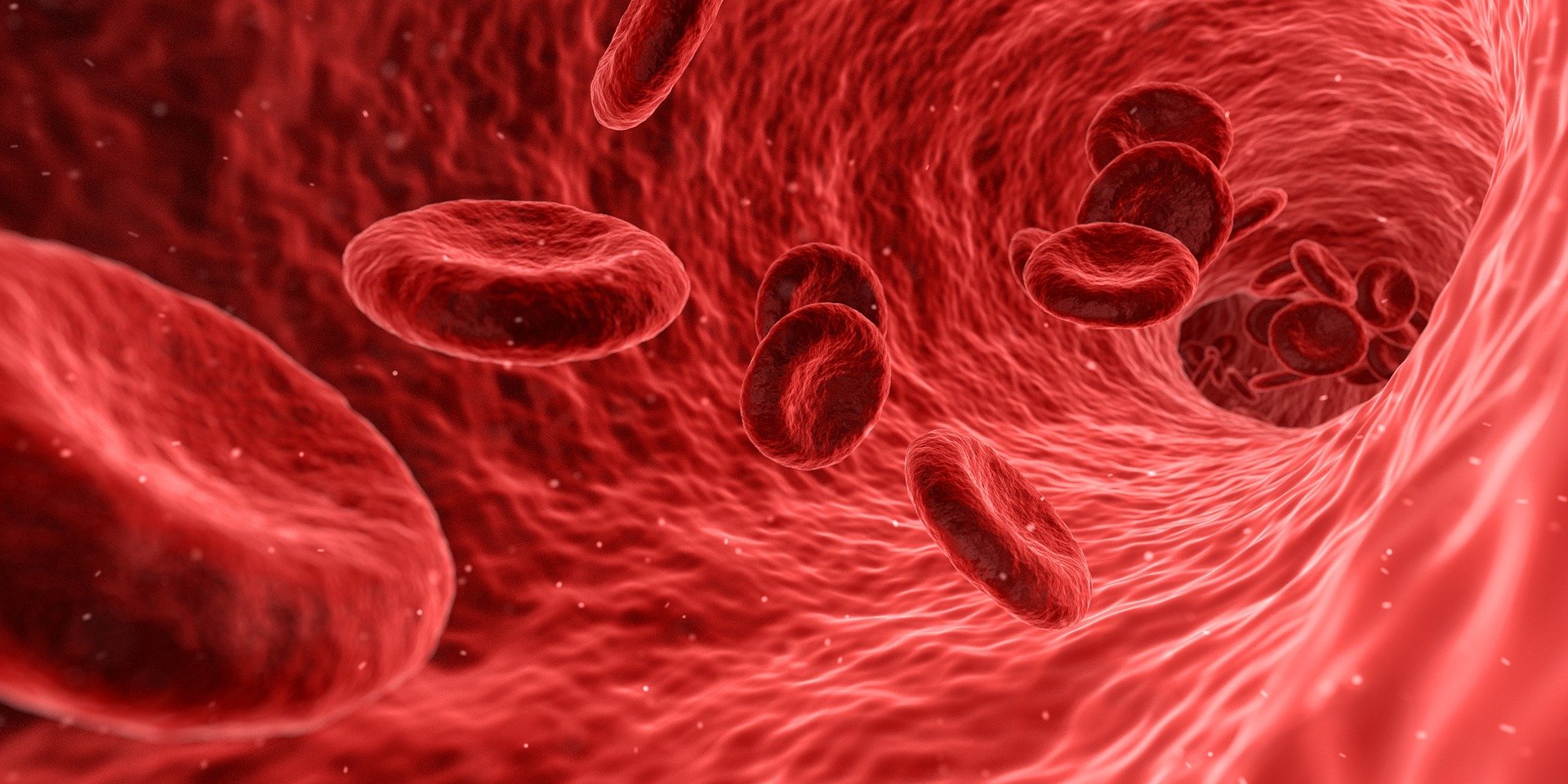
It’s not body fat itself that harms health—it’s chronic overeating that leads to problems. Overeating clouds the blood and lowers body temperature, weakening immunity and stressing the organs.
Constant snacking forces blood to flood the digestive system, starving other vital organs of oxygen and nutrients. Over time, this imbalance can slow metabolism and increase the risk of sudden heart or brain conditions.
How to Fast Properly
Try the Half-Day Fasting Method: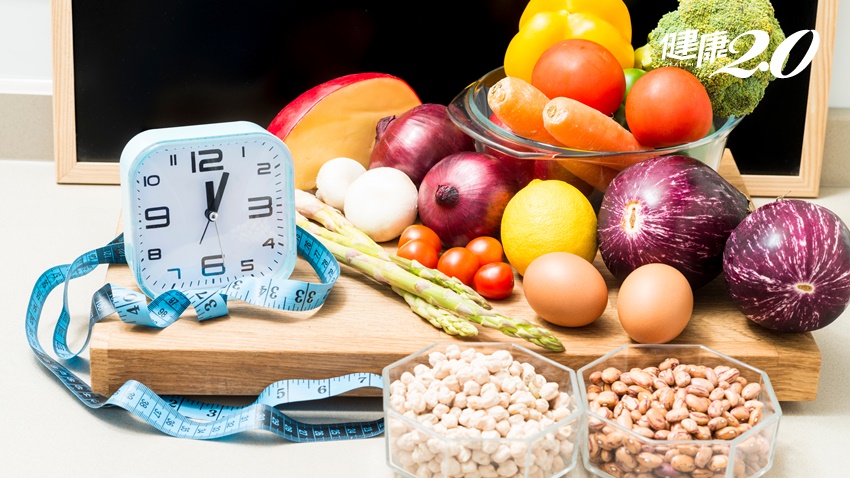
- Breakfast: Drink a glass of carrot-apple juice or ginger tea.
- Lunch: Eat a bowl of barley noodles with vegetables and a small portion of animal protein.
- Dinner: No strict rules—eat as you normally would, in moderation.
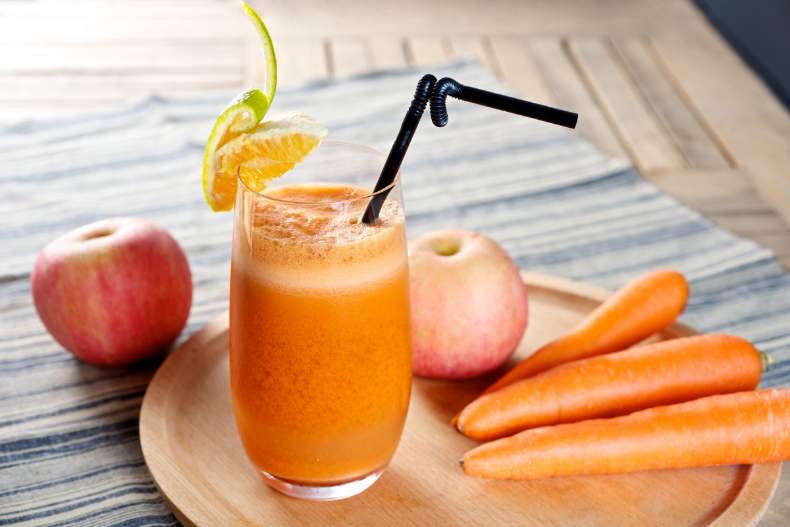
How to Make Carrot-Apple Juice
Carrot-apple juice provides essential vitamins and minerals. Here’s how to make it:
- Ingredients: 2 medium carrots (about 400g) and 1 apple (about 300g).
- Wash thoroughly, cut into chunks, and juice them together. No need to peel or core.
The recipe yields about three cups.
Key Points for Half-Day Fasting

- Focus on reducing overall daily calorie intake.
- Eat until you're about 80% full, especially at lunch and dinner—never overeat.
- Follow a 6:3:1 ratio: grains : vegetables and fruits : animal protein.
- Eat slowly and chew thoroughly.
- Avoid eating when angry or stressed.
- True fullness is felt about an hour after eating—hunger isn’t always real hunger.
- If hunger becomes overwhelming, have a piece of dark chocolate.
Comment
.png?w=1080&h=1080)