If you're having trouble losing weight during menopause, stop doing these things
Dec 29,2025
1. Stop doing long and intense cardio exercises
Why intense exercise can be harmful:
Higher cortisol levels: Doing intense cardio for a long time (like long runs or HIIT workouts) makes your body release more cortisol (a stress hormone). Too much cortisol for too long can lead your body to store more fat, especially in the belly.

Adrenal fatigue: During menopause, hormone levels like estrogen and progesterone drop, making you more sensitive to stress. High-intensity workouts can increase stress further, making you more tired and slower to recover.
Better options:
Outdoor walking: Walk 4–5 times a week for 30–60 minutes at a moderate pace (your heart rate reaches 50–60% of your max). Walking is low-intensity and helps calm your mood, lower cortisol, and improve heart health.
Other options: Try light weight training (to build muscle and bone strength), yoga, or pilates.
2. Cut down on too much caffeine and alcohol
Effects of caffeine:
Raises cortisol: Caffeine can make your adrenal glands release more cortisol. High cortisol levels for a long time are linked to belly fat.
Blood sugar swings: Caffeine may lower insulin sensitivity and increase insulin resistance, which reduces your ability to burn fat.

Effects of alcohol:
Poor sleep: Alcohol might help you fall asleep quickly, but it reduces REM sleep (deep sleep), which affects mood and metabolism.
Hormone imbalance: Alcohol can affect your estrogen and progesterone levels, making menopause symptoms worse, like hot flashes and mood swings.
Slower fat burning: Your body burns alcohol first, which slows down fat burning. Alcohol also has empty calories that can lead to weight gain.
Better options:
Drink less and control timing: Try to drink coffee or tea only in the morning. Avoid caffeine after 3 p.m.
Choose healthier drinks: Herbal teas like chamomile or lavender, or decaf coffee, can help you relax without caffeine.
3. Be careful with intermittent fasting
Possible risks of intermittent fasting:
The 16:8 fasting method may help some women during menopause, but there are risks, especially for women with strong menopause symptoms: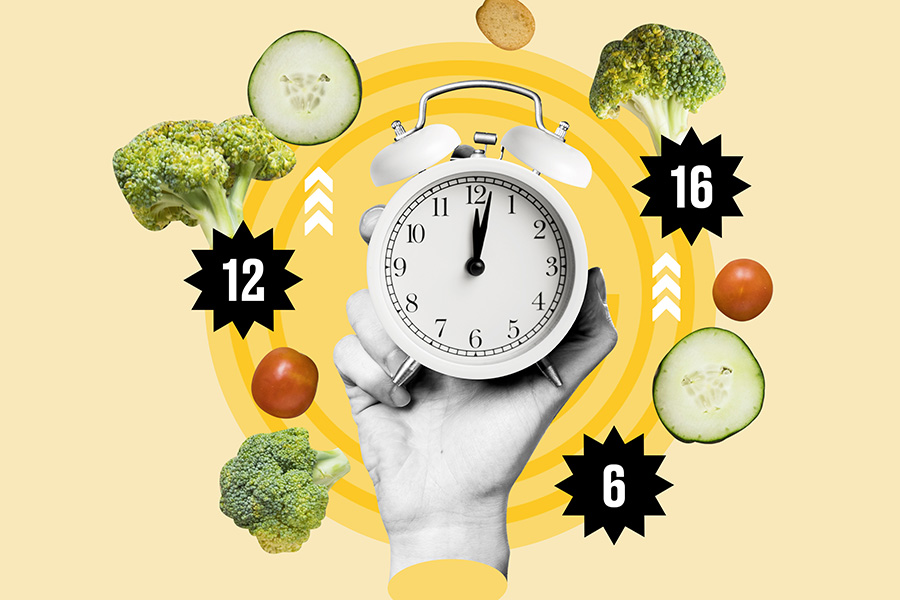
Too much stress: Fasting can increase cortisol, and too much cortisol may lead to more belly fat during menopause.
Not enough nutrients: If your meals aren’t balanced, fasting can lead to missing important nutrients like protein, calcium, iron, and vitamin D, which can raise the risk of weak bones and muscle loss.
Mood swings: Going too long without eating can cause hunger and mood swings, affecting your sleep and emotional balance.
Better options:
Start slow: Begin with a 12:12 fasting pattern (12 hours fasting, 12 hours eating). Slowly increase fasting time to 16 hours so your body can adjust.
Adjust to your schedule: Choose a fasting window that fits your daily routine. Try skipping dinner instead of breakfast. Breakfast helps manage blood sugar better.
Listen to your body: If you feel very tired, have blood sugar issues, or mood swings, adjust or stop fasting.
4. Avoid eating only plant-based foods
Possible problems with plant-only diets:![]()
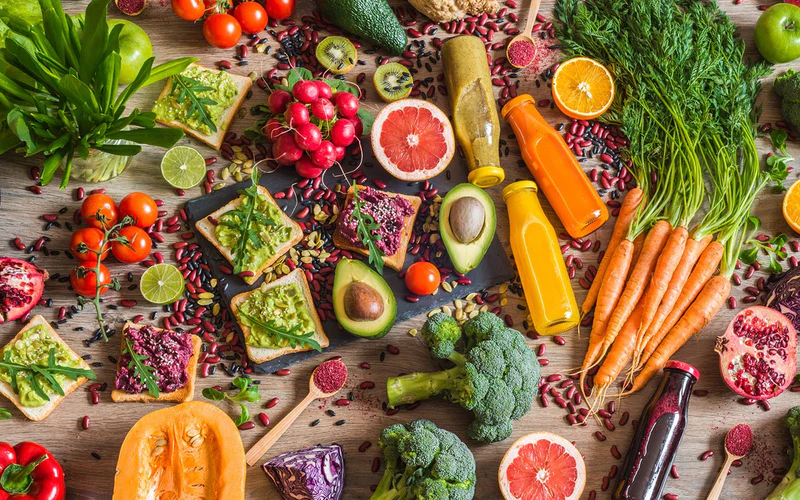
If you only eat plant-based foods and don’t get enough protein, you may lose muscle and bone strength during menopause. Muscles help burn calories, so less muscle means a slower metabolism, making weight loss harder. Muscle loss also reduces your strength and makes daily tasks more difficult.
Better options:
Get enough protein: Women in menopause should eat 1.2–1.6 grams of protein per kilogram of body weight. Good protein sources include animal-based (fish, eggs, dairy) and plant-based (Beans, nuts, quinoa). At each meal, try to include a portion of protein about the size of your palm.
发表评论
.png?w=1080&h=1080)