Must-Know for Weight Loss: How Fat Leaves the Body
Oct 13,2025
What Is Fat?
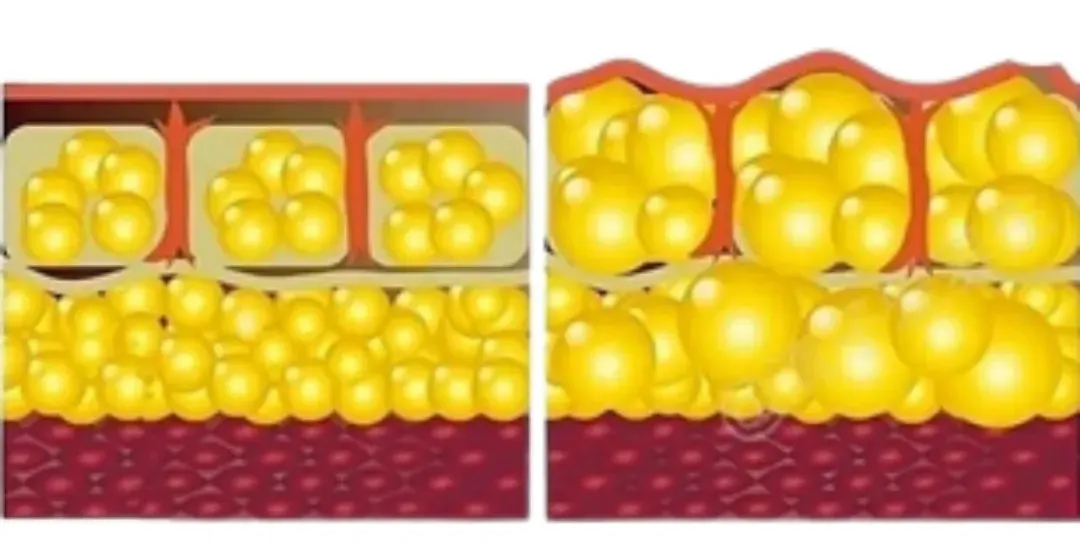
In scientific terms, fat is known as adipose tissue, a type of loose connective tissue primarily made up of fat cells, or adipocytes. These cells store energy in the form of triglycerides, which make up the bulk of their content.Weight gain is not caused by an increase in the number of fat cells. It’s caused by the expansion of existing ones.
Fat cells are remarkably long-lived. While skin cells renew every four weeks, red blood cells live about four months, liver cells just over a year, and bone cells up to a decade, fat cells can persist for as long as 25 years.In most adults, the number of fat cells remains relatively fixed after maturity—unless removed through procedures like liposuction. This means the size, not the quantity, of fat cells is what determines body shape and weight.
Normal vs. Enlarged Fat Cells
How Fat Is Formed
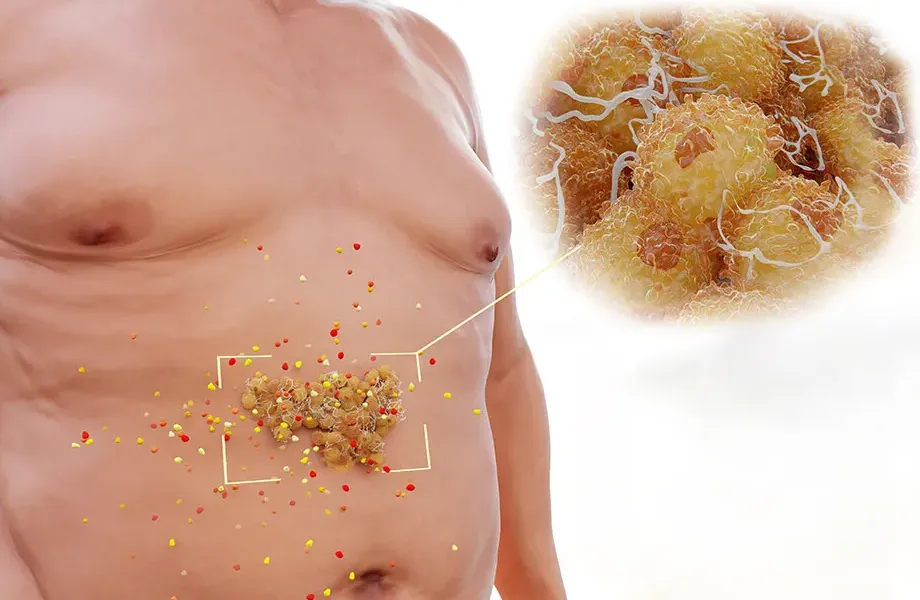
Fat in the human body is primarily stored as triglycerides, which come from two main sources.
- Synthesized by the Body
When we consume carbohydrates such as rice, noodles, and sugary food, blood glucose levels rise. The liver converts this excess glucose into triglycerides, which are then transported via the bloodstream to fat tissues for storage. Fat cells themselves can also convert glucose into triglycerides. - Absorbed from Food
Dietary fats, like those found in hot pot or chocolate, are absorbed by the lining of the small intestine. There, they are packaged into chylomicrons and delivered through the bloodstream to fat tissues.
Key Takeaway:
Food is first used to meet the body’s energy needs. Surplus energy (carbohydrates, protein, or fat) is converted into triglycerides and stored in fat tissue, causing fat cells to expand.
Debunking a Common Myth: Eating fat ≠ Gaining fat.
Fat gain occurs when calorie intake exceeds energy expenditure. This surplus can come from any macronutrient—not just fat.
How Fat Is Burned![]()
Fat loss, often described as “burning fat,” happens in three stages:
1. Breakdown
When the body needs energy. During exercise,hormone-sensitive lipase (HSL) in fat cells breaks down triglycerides into one glycerol molecule and three fatty acids.
2. Transport
These byproducts are transported through the bloodstream: glycerol to the liver (where it can be converted into glucose), and fatty acids to muscle cells. If not used promptly, they can be re-stored in fat cells.
3. Oxidation and Elimination
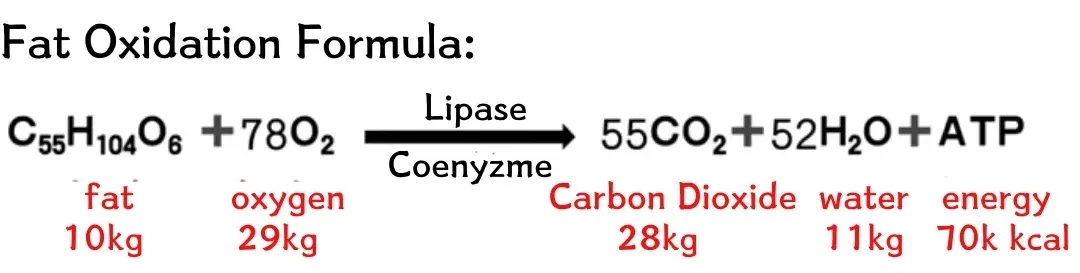
Fatty acids must be oxidized in the mitochondria of cells, producing energy, water, and carbon dioxide. CO₂ is exhaled; water exits through sweat and urine.
How to Accelerate Fat Burning
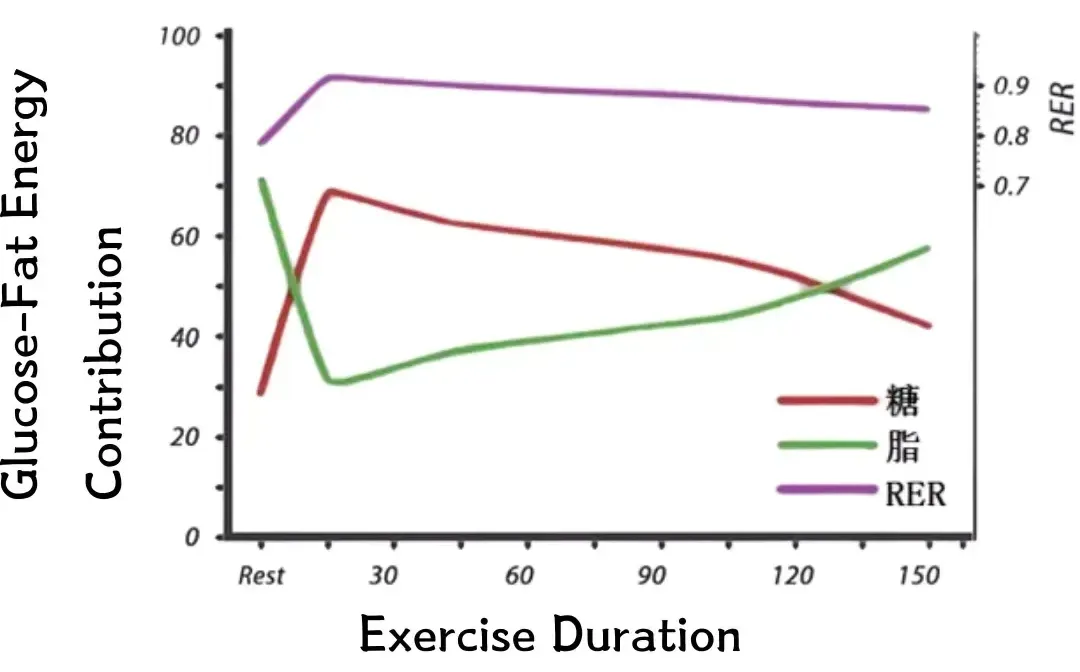
1. Prolonged Aerobic Exercise
Fat oxidation increases with longer bouts of aerobic activity. In the first 15–30 minutes, the body relies more heavily on glucose. Over time, fat becomes the dominant fuel source.
2. Adjust Meal Order
Eating vegetables first, followed by protein, and then carbohydrates may help regulate fat storage.
|
Eating Order |
Physiological Effect |
|
Vegetables First |
Fiber forms a gel in the stomach, slowing fat and sugar absorption. |
|
Protein Next |
Amino acids trigger CCK, a hormone that prolongs satiety. |
|
Carbs Last |
Consumed when insulin sensitivity is lower, reducing fat synthesis. |
3. Strength Training
Resistance workouts damage muscle fibers, deplete glycogen, and generate lactic acid. During recovery, the body expends energy to rebuild—fuel that often comes from fat.
4. Avoid Sugar Before Workouts
When blood sugar is high, the body prefers glucose over fat for energy. Skipping sugar before a workout pushes the body to burn fat instead. However, if the goal is to build muscle, fast-acting carbs before and after intense sessions can aid performance and recovery.
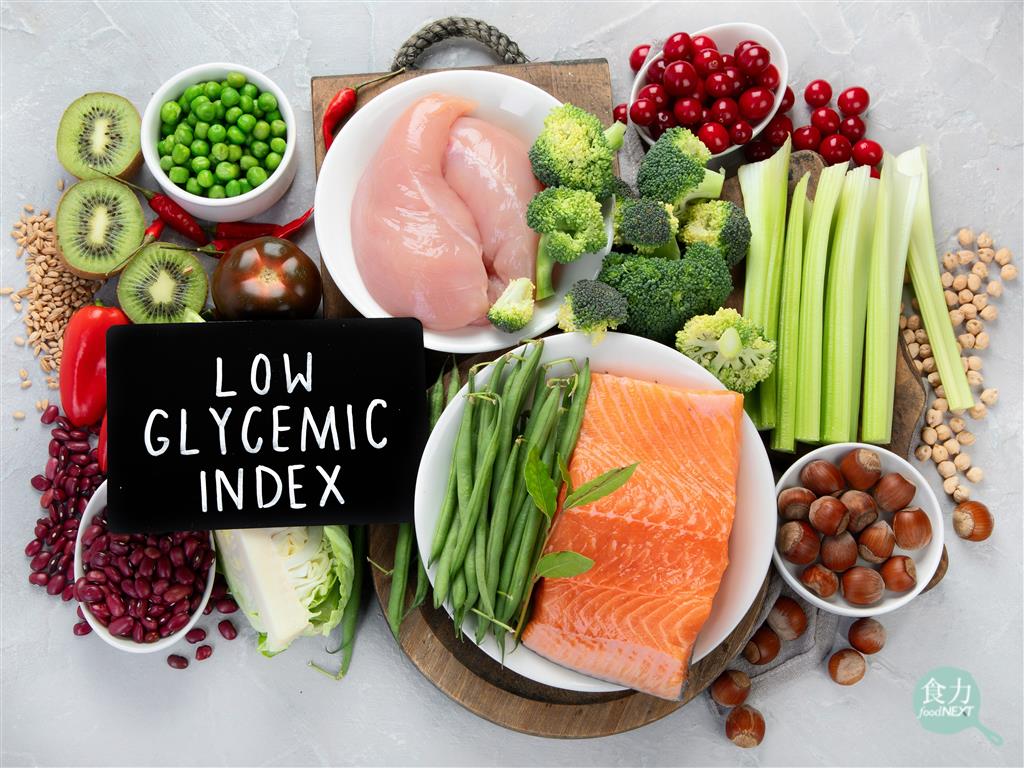
5. Choose Low-GI Carbohydrates
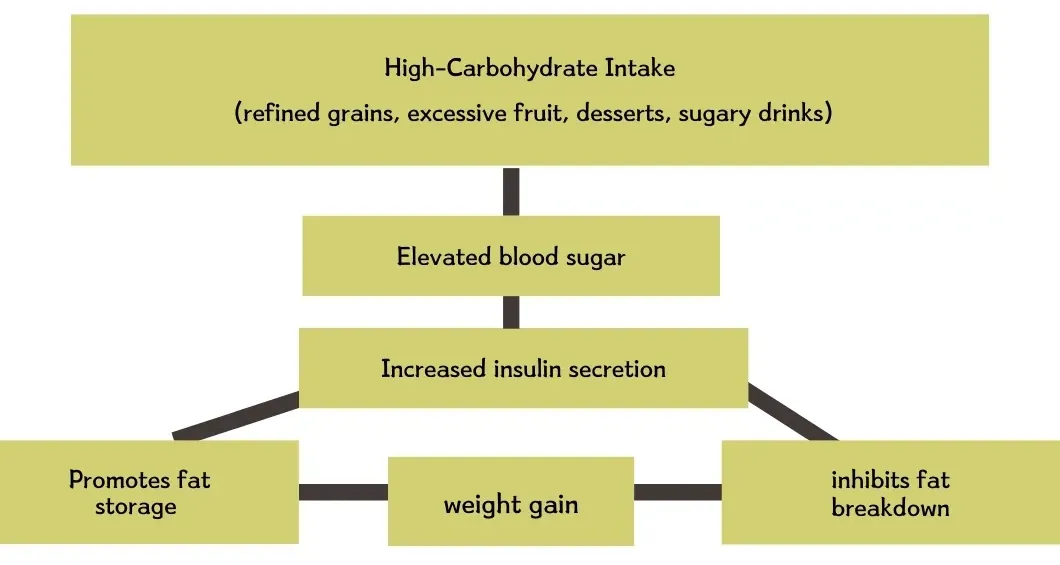
High-GI foods—like pastries and sweet drinks—cause sharp blood sugar spikes, which in turn boost insulin. Elevated insulin promotes fat storage and inhibits fat breakdown.
Low-GI, Fat-Burning Foods
|
Food |
Calories (per 100g) |
Food |
Calories (per 100g) |
|
Sweet potato |
86 kcal |
Barley |
361 kcal |
|
Yam |
57 kcal |
Black rice |
341 kcal |
|
Corn |
107 kcal |
Tofu |
84 kcal |
|
Barley |
361 kcal |
Konjac noodles |
21 kcal |
|
Lotus root powder |
373 kcal |
Green peas |
111 kcal |
|
Brown rice |
348 kcal |
Cooked chickpeas |
160 kcal |
|
Oats |
338 kcal |
Broad beans |
338 kcal |
|
Purple sweet potato |
133 kcal |
Pasta |
145 kcal |
发表评论
.png?w=1080&h=1080)