Wellness by the Clock
Jan 12,2026
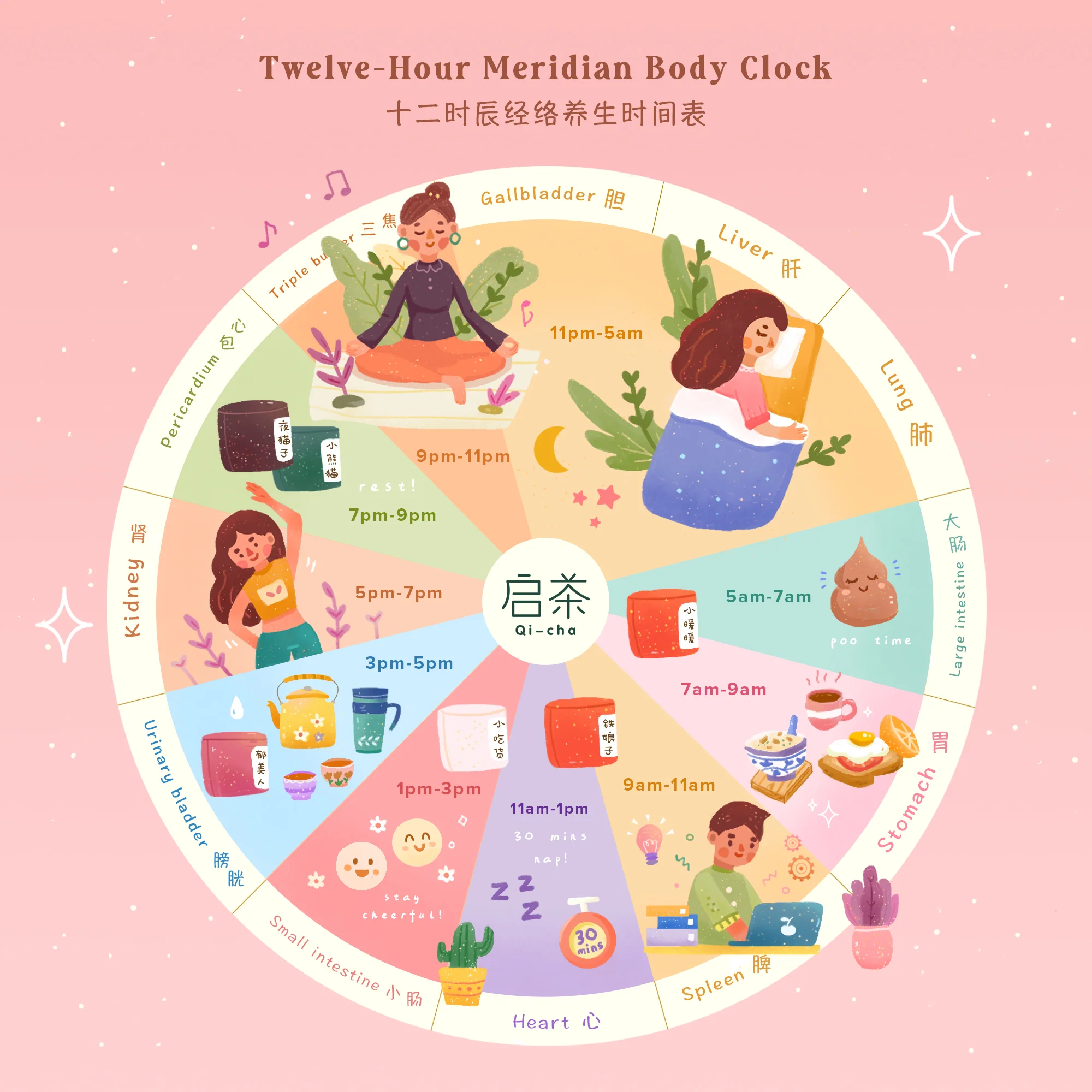
The "Midnight-Noon Flow" theory in traditional Chinese medicine reflects the body's 24-hour internal rhythm—governing the organs, blood, and fluids. Energy circulates in a set sequence: from the lungs to the large intestine, then the stomach, spleen, heart, small intestine, bladder, kidneys, pericardium, triple burner, and gallbladder. This cycle aligns with the twelve traditional Chinese hours. To maintain health, one should live in harmony with this natural rhythm. Here's a look at how each time slot supports specific functions.
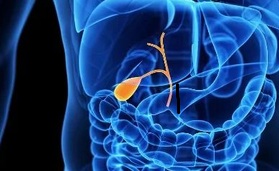
Zi Hour (11 p.m. – 1 a.m.)
Gallbladder function peaks. The body relies on rest to repair the organs. Sleeping before 11 p.m. supports metabolism. Staying up late can lead to fatigue, cold extremities, and dull skin.
Chou Hour (1 a.m. – 3 a.m.)
Liver activity dominates. The liver regulates blood storage and detoxification, best done while lying flat. Deep sleep during this time supports clear thinking and clearer skin. Poor sleep may cause blemishes and mental fog.

Yin Hour (3 a.m. – 5 a.m.)
The lungs are most active. They send oxygenated blood throughout the body. Stillness and deep sleep here boost vitality. This sets the tone for an energetic day, often reflected in a healthy complexion.

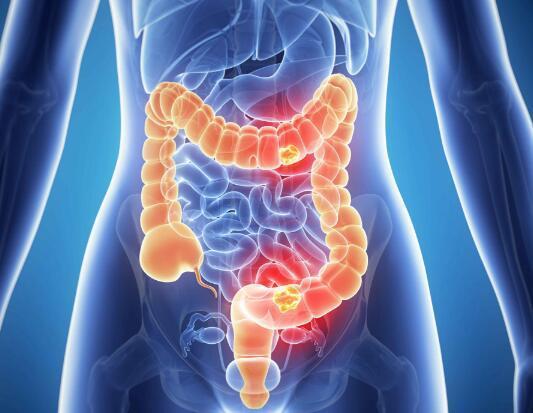
Mao Hour (5 a.m. – 7 a.m.)
Large intestine activity rises. The body begins eliminating waste. It favors warmth. A glass of warm water on waking can promote regular bowel movements and support detoxification.
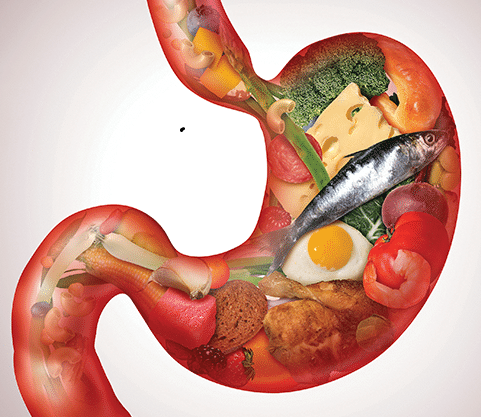
Chen Hour (7 a.m. – 9 a.m.)
The stomach is at its strongest. It functions best with warm, moist foods. Breakfast should be nourishing and eaten slowly. For sensitive stomachs, opt for gentle, easy-to-digest meals like porridge.
Si Hour (9 a.m. – 11 a.m.)
The spleen takes over. It governs digestion and nutrient absorption and prefers dryness. Cold foods should be avoided during this time.
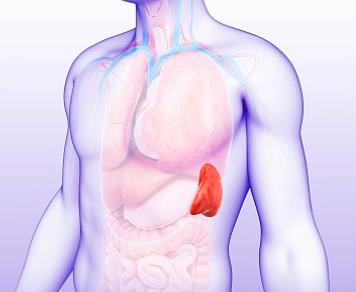
Wu Hour (11 a.m. – 1 p.m.)
The heart is in charge. It manages blood flow and emotional wellbeing. It’s important to eat a light, warm lunch by 1 p.m.—avoiding greasy or raw foods. A brief nap, no longer than 30 minutes, can support heart function and help maintain emotional balance.

Wei Hour (1 p.m. – 3 p.m.)
The small intestine becomes active, absorbing nutrients and separating waste. It thrives on hydration. Drinking water now can help the bowels and benefit circulation.
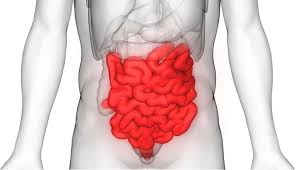
Shen Hour (3 p.m. – 5 p.m.)
The bladder works at peak efficiency, managing urination and metabolism. Physical and mental energy are also at their highest. Stay active—but don’t hold in urine, even when busy.
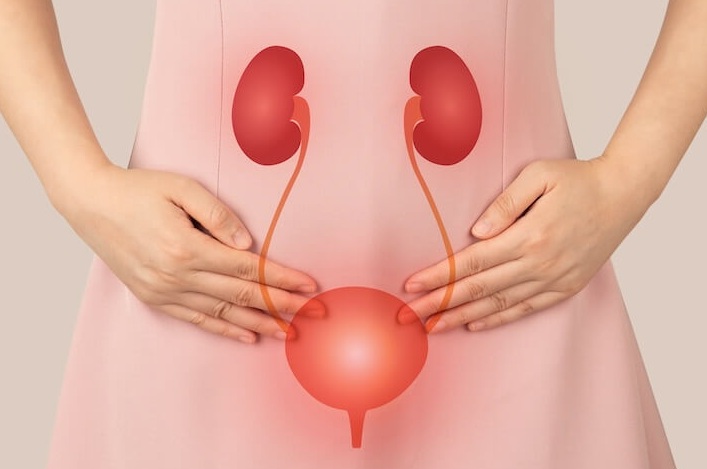
You Hour (5 p.m. – 7 p.m.)
Kidney energy dominates. The kidneys store essence and prefer warmth. Avoid overexertion. Eat dinner early, emphasizing vegetables over starches.

Xu Hour (7 p.m. – 9 p.m.)
The pericardium is most active. This organ sheath protects the heart and responds to joy. Cultivating a relaxed mood in the evening helps guard against stress and illness.
Hai Hour (9 p.m. – 11 p.m.)
The triple burner governs fluid movement and energy pathways. It favors calm. A warm foot soak before bed encourages blood flow, dispels cold, and eases the mind for restful sleep.
發表評論


.png?w=1080&h=1080)