The Difference Between Fat Loss and Weight Loss
Jul 09,2025
The Difference Between Fat Loss and Weight Loss
Fat Loss
Example: Body weight 50kg, body fat percentage 15%
1. Fat Reduction: Noticeable decrease in abdominal and leg fat.
2. Physique: Balanced, toned body with visible lines.
3. Fat vs. Muscle: Focuses on losing fat while preserving muscle.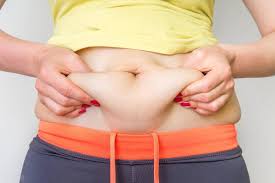
4. Muscle Mass: Higher muscle percentage, stronger metabolism, faster fat burning.
Weight Loss
Examples Body weight 50kg, body fat percentage 30%
1. Appearance: Noticeable belly fat, and thicker legs.
2. Physique: Bulky, no defined lines.
3. Fat vs. Muscle: This involves losing fat, muscle, and water.
4. Muscle Mass: Lower muscle percentage, weaker metabolism, slower fat burning.
Weight Loss ≠ Fat Loss
What is Weight Loss?
Weight loss includes fat loss but also involves losing muscle and water. It is often achieved through dieting and can lead to a loss of muscle mass.
What is Fat Loss?
Fat loss focuses on reducing excess body fat while maintaining muscle mass. The goal is to make the body look more toned and defined.
When to Focus on Weight Loss vs. Fat Loss
When to Focus on Weight Loss:
People with a high starting weight (BMI ≥ 24) should focus on weight loss first. Reducing overall weight through calorie control and diet can make subsequent fat loss easier and less taxing on the body.
When to Focus on Fat Loss:
People with a low starting weight (BMI < 24) should focus on fat loss. This phase aims to sculpt the body and improve the physique while increasing muscle mass. Even if weight doesn’t change much, the body will look more toned and defined.
BMI Calculation Formula: BMI = Weight (kg) / Height² (m²)
Low Starting Weight: BMI < 24
High Starting Weight: BMI ≥ 24
Weight Loss Tips
1. Control Your Diet and Exercise Regularly: Eat healthily and stay active.
2. Eat a Good Breakfast: Include carbs and proteins.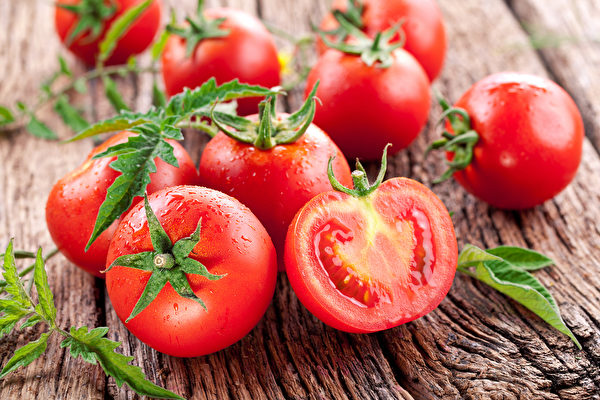
3. Hydrate During Peak Metabolism Hours: Drink water between 10-11 AM.
4. Healthy Snacks: If hungry between 1-3 PM, choose low-sugar fruits and veggies (cucumbers, tomatoes).
5. Eat Vegetables Freely: Avoid adding high-calorie dressings.
6. High-Fiber Foods: Corn and sweet potatoes are filling with low calories.
7. Fruit Timing: Eat fruit during the day, and avoid it before bed.
8. Running Caution: Avoid running if you have a high body weight to prevent knee injuries.
9. Avoid Junk Food and Sugary Drinks: Stay away from high-calorie, processed foods.
10. Avoid Sugar and Oil Combinations: These are often high in calories.
11. Sleep Well: Ensure 8 hours of sleep each night, and avoid staying up late.
12. Try Carb Cycling: Look up methods online for effective carb management.
Fat Loss Tips
1. Combine Strength Training with Cardio: Both are essential for fat loss.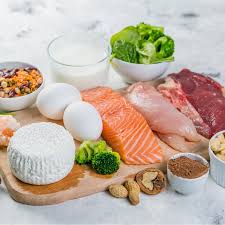
2. No Spot Reduction: Fat loss affects the whole body, not just specific areas.
3. Adequate Protein Intake: Protein is essential for muscle growth.
4. Quality Proteins: Beef, shrimp, and deep-sea fish are great sources.
5. Eat Slowly: Avoid eating too fast.
6. Post-Meal Activity: Don’t sit right after eating; try walking for 30 minutes.
7. Effective Exercise: Jump rope is great for fat loss, but protects your knees.
8. Energy Burn: Any movement burns calories; there’s no exact time requirement.
9. Body Fat Percentage Matters: 15% body fat vs. 30% body fat looks very different at the same weight.
10. Intermittent Fasting (16/8): Eating within an 8-hour window daily can be effective.
Comment
.png?w=1080&h=1080)