9 Behaviors That Actually Lead to "Weight Gain" While Trying to Lose Weight
Jan 21,2025
9 Behaviors That Actually Lead to "Weight Gain" While Trying to Lose Weight
1. Over-relying on Clean Eating
- Whole grain bread/chicken breast/steamed vegetables are the go-to trio for weight loss.
- However, while whole grains and root vegetables have a lower glycemic index, they still have high calories.
- Steamed vegetables and chicken breast often taste bland, leading to forced consumption and a higher likelihood of binge eating. In reality, homemade dishes can help with weight loss.
- Beware of binge eating—it can make you gain weight instead!
2. Believing in Eating Small Meals Frequently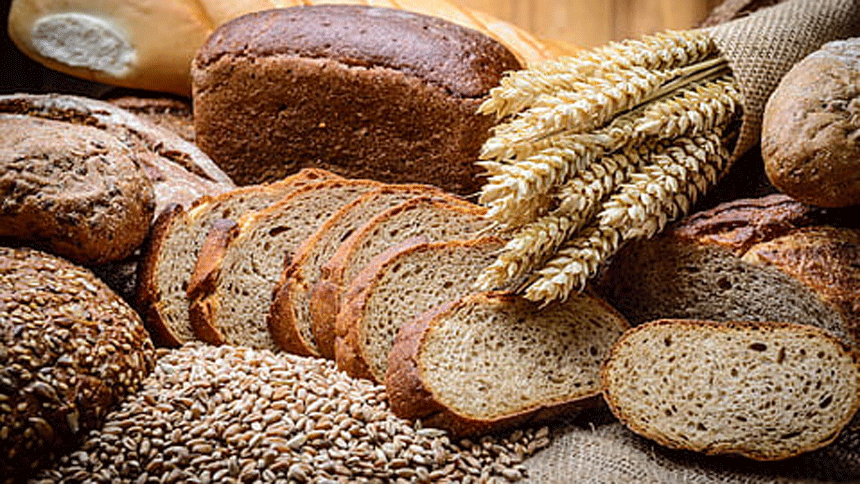
- Unlike regular meals, small, frequent meals don’t significantly limit caloric intake and may lead to overeating, causing excess calorie consumption.
- Each meal stimulates insulin activity, which is detrimental to fat breakdown.
- Eating small meals is more suitable for growing children and adolescents to absorb and store more nutrients.
- As an adult, you don’t need extra storage—there’s already too much!
3. Exercising Without Restricting Food Intake
- Excessive exercise can increase cortisol levels, making you hungrier. You might feel the need to compensate for the exercise by eating more.
- After working out, elevated cortisol levels make you more likely to eat. If you think you need extra energy, you may end up eating too much and negating the benefits of exercise.
- The calories burned through exercise are relatively small, and it's easy to exceed your calorie intake, leading to weight gain instead of loss!
4. Sweating Profusely/Sauna Use
- Sweating a lot may reduce your weight temporarily, which might make you feel elated and prompt you to reward yourself with a treat.
- In reality, drinking water can quickly replenish that weight.
- This is why some people feel they gain weight just from drinking water—because they never truly lost weight Excessive sweating can also lead to weakness, dizziness, and fatigue.
- Fat is expelled through carbon dioxide, not sweat!
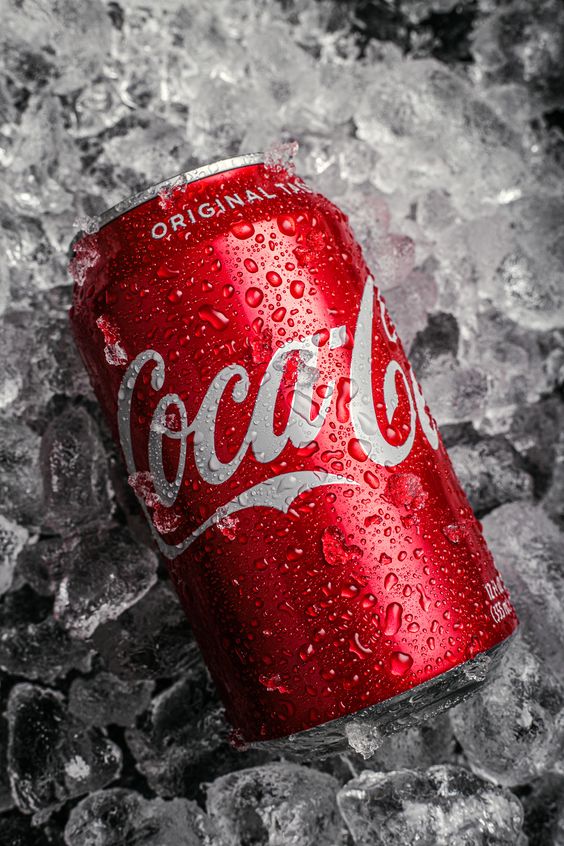
5. Drinking Diet Soda Freely
- Diet sodas can increase appetite and cravings for high-sugar foods. Additionally, artificial sweeteners may cause chemical reactions in fat tissue and gut bacteria, reducing glucose tolerance.
- Long-term consumption of diet soda can lead to excessive intake of food additives that harm health. Ingredients like caffeine and phosphoric acid in soda can damage teeth, lead to calcium loss, and even cause osteoporosis.
- Occasional consumption is fine, but relying on diet soda can still lead to weight gain due to additives!
![Tips I 为什么C罗不喝可乐?长期喝可乐的6大危害| Xuan]()
6. Having Yogurt After Meals
- Some people drink yogurt after a meal, thinking it aids digestion, but it may actually do the opposite. Yogurt, being rich in protein and sometimes sugar, adds to the digestive burden. Yogurt doesn’t impact gut motility or contain digestive enzymes.
- Consuming yogurt after a meal doesn’t significantly help with digestion and can increase gastrointestinal load, particularly if it’s a sugary variety, leading to gradual weight gain!
7. Avoiding Meat and Eating Only Vegetables
- Meat is rich in protein, and insufficient meat intake can lead to protein deficiency. Chronic protein deficiency may result in malnutrition, weakened immunity, and anemia.
- Purely plant-based diets might seem light but can lead to malnutrition, causing abnormal fat transport and potentially resulting in nutritional fatty liver.
- Reduced metabolism leads to more weight gain!
8. Using Fruit as a Main Meal
- Most fruits have high sugar content despite their low calorie count. Excess fructose can accumulate as body fat and contribute to visceral fat gain.
- If you have a thin body but excess belly fat, it's likely due to high visceral fat!
9. Skipping Dinner
- Regularly skipping dinner can lead to excessively low calorie intake, causing the body to slow down metabolism to survive, making fat breakdown difficult and potentially harming the digestive system.
- Skipping dinner is unsustainable, leading to rebound weight gain and increased likelihood of binge eating when you eventually eat dinner. This cycle of deprivation and overeating can result in weight gain!
发表评论
.png?w=1080&h=1080)