Cortisol vs No Cortisol
Oct 04,2025
Cortisol vs No Cortisol
8 Key Differences
|
With High Cortisol |
Without High Cortisol |
|
Physical State: Fatigue, lack of energy |
Physical State: Energized, lively |
|
Complexion: Pale, lack of color |
Complexion: Rosy, smooth, and fine |
|
Sleep: Waking up in the middle of the night, difficulty falling asleep |
Sleep: Sleeping through the night |
|
Appetite: Overeating, indigestion |
Appetite: Healthy appetite, enjoying food |
|
Emotions: Irritable, anxious |
Emotions: Positive, stable mood |
|
Nerves: Nervous exhaustion |
Nerves: Calm, stable |
|
Exercise: Poor physical condition, sedentary |
Exercise: Healthy, enjoys physical activity |
|
Muscles: Muscle shrinkage in limbs |
Muscles: Healthy limbs |
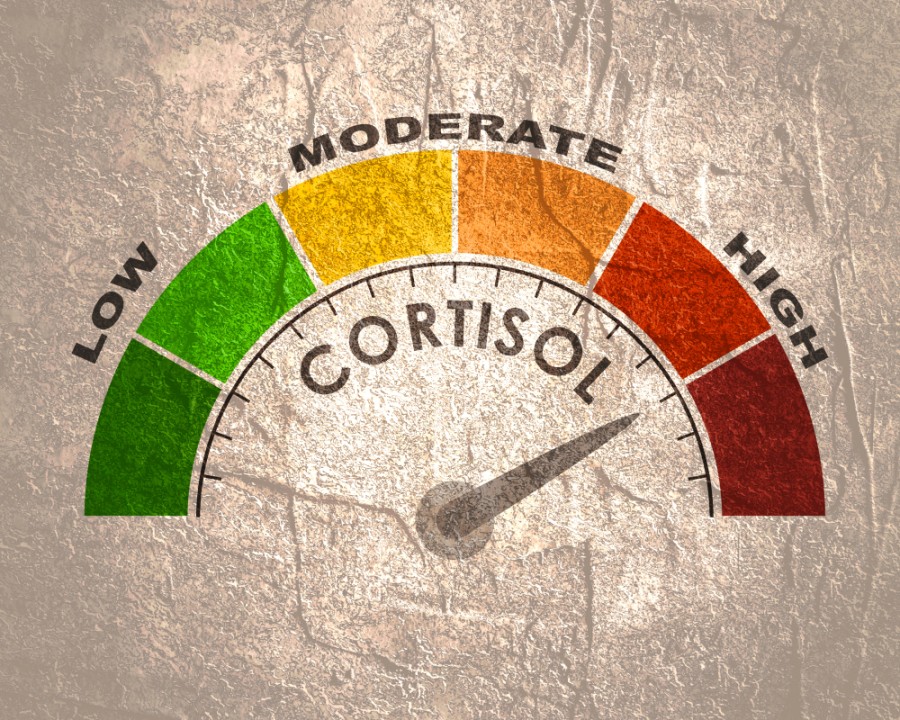
Signs of High Cortisol Levels
- Weight Gain Around the Midsection
- Weakened Immunity
- Mood Swings
- Increased Appetite
- Poor Sleep
- Stubborn Weight
- Increased Gas
- Excessive Thirst
Improvement Guidelines
- Vegetables: Spinach, shiitake mushrooms, bean sprouts
- Fruits: Strawberries, grapefruit, pears, pomegranates
- Meats: Fish, shrimp, beef, lean meats
Diet and Lifestyle Tips:
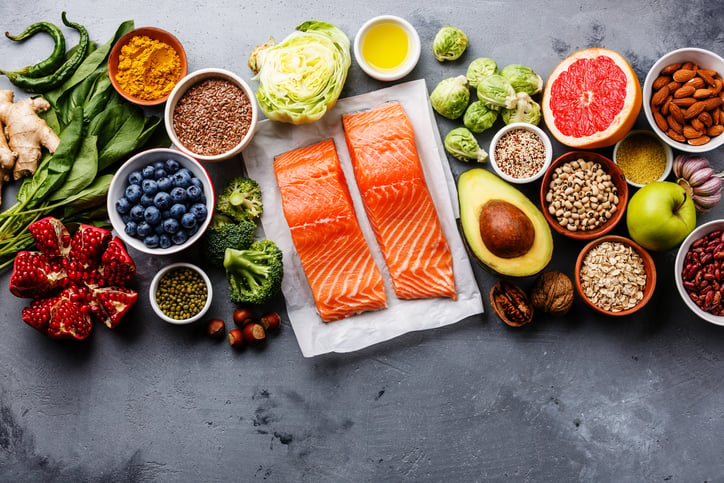
1. Balanced Diet
Ensure sufficient intake of protein, vitamins,
and other nutrients daily. Reduce consumption
of greasy foods and prioritize fruits and vegetables.
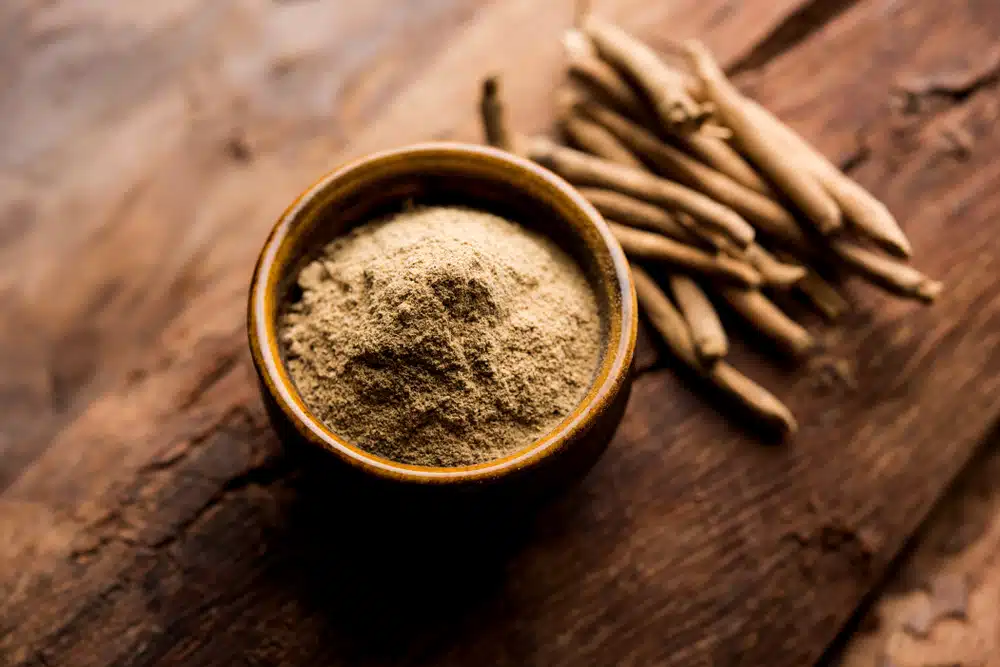
2. Supplement with South African Hoodia
Known to help manage excessive cortisol secretion,
Hoodia can help block excess fats and carbs from
the body while boosting metabolism.

3. Exercise Regularly
Dedicate at least an hour per day to exercise, combining both
aerobic and anaerobic activities. Running, skipping, yoga,
or exercises like Ba Duan Jin (Eight Section Brocade) are ideal.
发表评论
.png?w=1080&h=1080)