The Impact of Cortisol on Weight Loss
Sep 29,2025
The Impact of Cortisol on Weight Loss
What Is Cortisol?
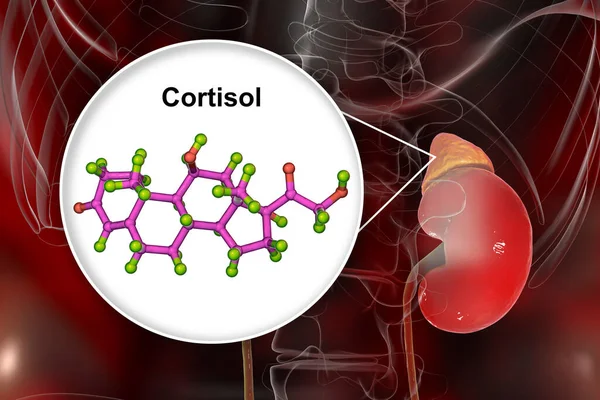
Cortisol is a hormone secreted by the adrenal glands, often referred to as the "stress hormone." When we experience stress or anxiety, the body releases more cortisol, which can interfere with fat metabolism and distribution, ultimately affecting weight loss.
Symptoms of High and Low Cortisol Levels
High Cortisol:
Elevated cortisol levels can lead to a range of physical and psychological issues. Common symptoms include weight gain, cardiovascular disease, anxiety, depression, insomnia, and digestive problems. High cortisol also weakens the immune system, making the body more susceptible to infections.
Low Cortisol:
Low cortisol can also cause various physical and mental problems, such as fatigue, low blood pressure, anemia, and depression. However, low cortisol is less common and typically results from adrenal insufficiency, requiring medical attention.

How Does Cortisol Rise?
Cortisol levels are influenced by several factors. Stress and anxiety trigger the release of more cortisol, raising its levels. Diet, lifestyle, environment, and genetics can also affect cortisol production. If you’re constantly under stress or dealing with anxiety or depression, your cortisol levels may remain elevated over time.

Why Does High Cortisol Lead to Weight Gain?
High cortisol affects appetite by increasing insulin levels. Insulin regulates blood sugar, and higher insulin levels cause blood sugar to drop. This triggers cravings for sugar and spikes hunger, often leading to overeating and, ultimately, weight gain.

How to Prevent Elevated Cortisol
- Maintain Healthy Habits: Stick to a regular schedule with sufficient sleep.
- Exercise: Relieve stress and anxiety through physical activity, which helps regulate cortisol levels.
- Watch Your Diet: Limit caffeine and sugar intake, and consume foods rich in vitamins C and B.
- Relax: Engage in relaxation techniques, such as meditation or yoga, to manage stress.
- Seek Professional Help: If you experience prolonged anxiety or stress, consult a professional for support.

发表评论


.png?w=1080&h=1080)