Refuse ineffective obesity. Do you know whether you are false fat or true fat?
May 12,2025
Refuse ineffective obesity. Do you know whether you are false fat or true fat?
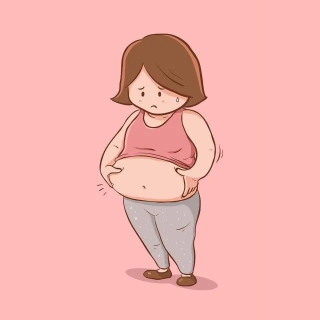
False fat characteristics
- Don't eat much, but it's easy to get fat.
- The tongue is thick and greasy, and the hands and feet are cold.
- How long do you sit? Muscles are loose and prone to oedema. The lower limbs are prone to swelling and fatigue. The function of the lungs, especially the spleen, is weakened.
- Skin and hair are prone to oil, moisture re-ageing and metabolism slow down, nutrient consumption is slow, and fat accumulation
Characteristics of fat
- The muscles are plump and strong, and the face is rosy.
- Eat a lot, not picky about food, easy to get hungry
- Easy to dry mouth and tongue, easy to
- Energetic
- Most of them are hereditary, and generally the intake is greater than the consumption.
- When the body's calories are not consumed in time, calories accumulate to form fat.
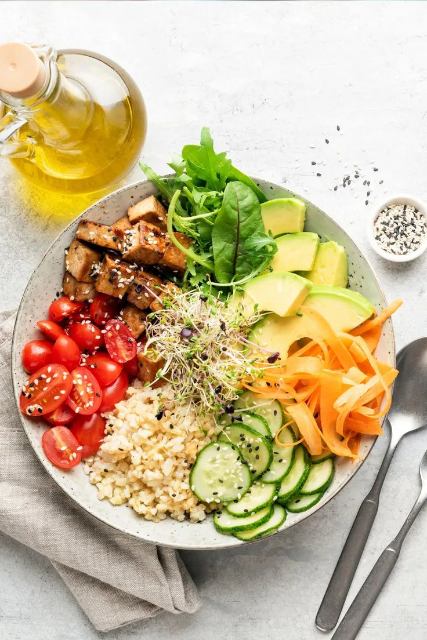
This is how to reduce the false fat
- Control sugar, be sure to control sugar. Eat as little or don't eat as much as possible;
- Eat more high-quality protein to increase iron-containing food such as milk, beef, kinds of fish and shrimp;
- Eat more potassium-containing foods : Such as sweet potatoes, mushrooms, spinach, potatoes, osmanthus, red jujube, lotus seeds, etc.;
- Moderate exercise, sweat at least 2-3 times a week, slightly larger exercise,
- Remove moisture and oedema; if you can't open your legs, you can eat and drink some tea to strengthen the spleen and dispel moisture, such as red kidney beans, barley, poria, fenugus, salk, light bamboo leaves, white flat Beans and so on; of course, it would be best if we could stick to it at the same time.
This is how to reduce the false fat
Common moisture-removing ingredients of the same origin as medicinal food
- Red bean: It's not red bean. The pharmacopoeia records that red bean "relives water and relieves swelling..., used for oedema and swelling...".
- Barley kernel: that is, the so-called barley rice. According to the pharmacopoeia, barley rice "is beneficial to water seepage and moisture, strengthens the spleen and stops diarrhoea, and can be used for oedema, spleen deficiency and leakage..."
- Poria: The pharmacopoeia records that "it is beneficial to moisture, strengthens the spleen..., is used for spleen deficiency food less...", sweet, light, flat. Return to the heart, lungs, spleen and kidney meridians.
- Astragalus: Pharmacopoeia records that "benefiting the kidney and solidifying the essence, replenishing the spleen and stopping diarrhoea, dehumidifying and stopping the belt." Sweet, sweet, flat. Return to the spleen and kidney meridians.
- Chen Pi: The pharmacopoeia records that "relieve qi and strengthen the spleen, dry and moisten phlegm." Bitter, spicy, warm. Return to the lungs and spleen meridians. So Chenpi is a little bitter.
- White lentils: The pharmacopoeia records "strengthen the spleen and dampness, and relieve summer heat. It is used for spleen and stomach weakness, loss of appetite, loose stools, stir-fried white lentils to strengthen the spleen and dampen. Sweet, slightly warm. Return to the spleen and stomach meridians.
- Zizi: The pharmacopoeia records "clearing heat and moisture, cooling blood and detoxifying...", bitter, cold. Return to the heart, lung, three Jiaojing.
- Light bamboo leaves: Pharmacopoeia records that "clearing heat and dispelling fire, diuretic and diarrhoea...". Sweet, light, cold. Return to the heart, stomach, small intestine meridians.
- Dandelion: Pharmacopoeia records "clearing heat and detoxification, dispelling swelling and dispersing knots, diuretic and gonorrhoea..." Bitter, sweet, cold. Return to the liver and stomach meridians.
- Buddha's hand: The pharmacopoeia records that "relieve the liver and regulate qi, relieve pain in the stomach, and dissolve phlegm. It is used for liver and stomach qi..., spicy, bitter, sour, warm.
- Orange red: The pharmacopoeia records that "the qi is wide, and the dryness and moisture dissolves phlegm. It is used for coughing with a lot of phlegm,..." SPICY, BITTER, WARM. Return to the lungs and spleen meridians.
- Bai Maogen: The pharmacopoeia records "cool blood and stop bleeding, clear heat and diuretic." Sweet, cold. Return to the lungs, stomach and bladder meridians.
- Lotus leaf: The pharmacopoeia records "clearing summer heat and dampness, rising and clearing yang, cooling blood and stopping bleeding." Bitter, flat. Return to the liver, spleen and stomach meridians.
- Cottonwood: The pharmacopoeia records "clearing heat and moisturising, detoxifying. Sweet, light, cool. Return to the colon meridians.
This is how to reduce true fat.
- Control sugar, be sure to control sugar. Eat less or not eat as much as possible; control the intake of total calories and try not to eat snacks.
- Eat less meat and more soy products;
- Exercise more and increase consumption
- Moderate and light aerobic exercise, such as jogging, swimming, aerobic exercise, yoga, etc., 2-3 times a week, and 3-5 times is the best.
发表评论

.png?w=1080&h=1080)