Why is Belly Fat the Hardest to Lose?
Aug 02,2024
Why is Belly Fat the Hardest to Lose?
3 Tips to Deal with Stubborn Belly Fat
NO.1 During Weight Loss, Visceral Fat Puts Up a Strong Fight
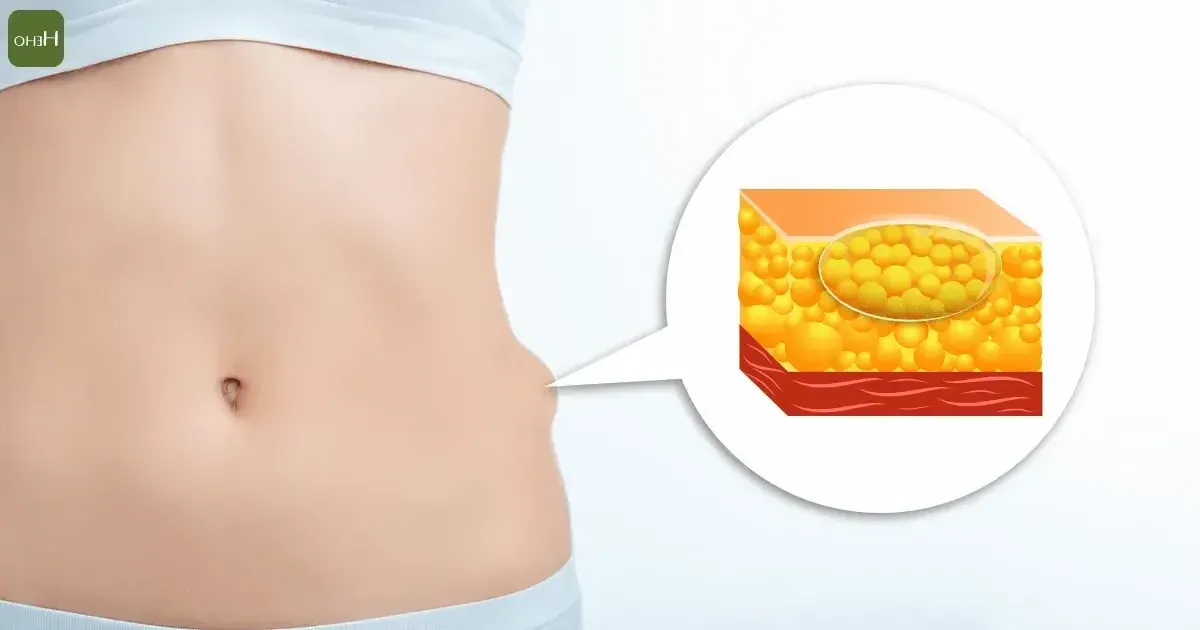
On March 3rd, a research team from the University of Sydney published a new study in 'Cell Reports' stating that they used proteomics technology to discover that abdominal fat (visceral fat) can accumulate in the body to form a "big belly." Over time, this fat can change its storage pattern and adapt to fasting states, making it more resistant to weight loss. It turns out, abdominal fat is the "fighter jet" among fats.
NO.2 Why Does Belly Fat Accumulate Easily?
1. Dietary Habits
Irregular meals, alternating between hunger and overeating, and indulging in large meals late at night
can easily lead to excess energy and abdominal obesity. Additionally, consuming high-energy, high-sugar,
and high-fat foods can result in a bigger belly as the caloric intake exceeds the body's needs.
2. Sedentary Lifestyle
High energy intake from food combined with low physical activity and poor blood circulation
in the waist and abdomen leads to fat accumulation over time.
3. Gender Factors
The waist and abdomen are among the most prone areas for fat accumulation.
Men tend to accumulate fat in the waist and abdomen more easily,
while women accumulate fat quickly in the hips, lower abdomen, and waist, followed by the limbs.
4. Lack of Sleep
Insufficient sleep reduces leptin and increases ghrelin, leading to increased appetite.
According to data analysis by the Korea Food Research Institute, people who sleep 7-9 hours per night have a 28%-35%
lower risk of abdominal obesity compared to those who sleep less than 5 hours per night.
NO.3 How Abdominal Fat Harms You
Excess visceral fat, characterized by a large belly and thin limbs, is typical in "beer bellies" and "pot bellies."
Accumulation of abdominal fat brings a series of health risks:
Fatty Liver: Excess visceral fat can easily cause fatty liver disease, which is reversible in its early stages but increases the risk of liver cancer if ignored.
Diabetes: Obese individuals are 3.7 times more likely to develop diabetes than those of normal weight, and those with abdominal obesity are 10.3 times more likely.
Hyperlipidemia: Abdominal obesity can cause hormonal imbalances, leading to easier breakdown of visceral fat and higher fat content in the blood, resulting in hyperlipidemia.
Cardiovascular Diseases: Abdominal obesity can lead to metabolic disorders, accelerating the formation of atherosclerosis and increasing the risk of hypertension, coronary heart disease, and other cardiovascular diseases.
Gout: Elevated uric acid levels are closely linked to increased visceral fat, making abdominal obesity a trigger for gout.
Various Cancers: According to the "British Journal of Cancer", there is a positive correlation between abdominal obesity and cancer incidence in 18 parts of the body, including stomach, colorectal, liver, and bile duct cancers.
NO.4 How to Reduce Belly Fat?
1. Regular Exercise
Combine aerobic and anaerobic exercise. Alternating between short bursts of aerobic and anaerobic exercises can effectively burn fat and is especially beneficial for those with excess belly fat. For example:
- 50 double-unders with a jump rope, followed by 50 sit-ups.
- 40 double-unders, followed by 40 sit-ups.
- 30 double-unders, followed by 30 sit-ups, and so on, decreasing the number to 10.
When combining aerobic and anaerobic exercises, keep these points in mind:
- Vary aerobic exercises: running, elliptical machine, cycling, jump rope, high knees in place.
- Maintain intensity and speed: Regardless of the number of repetitions or time, push yourself to the limit.
In addition to regular full-body exercises, focus on core muscle groups like the abdomen and thighs. Exercises like planks or glute bridges, held for about 20 seconds per rep, 5 reps per set, 3-4 sets per day, can help reduce belly fat.
2. Adjust Diet
Weight gain occurs when energy intake exceeds energy expenditure, so controlling your diet is the first step.
- Improve Cooking Methods: Use less frying and more stewing, boiling, steaming, and mixing.
- Meal Timing: Have breakfast between 6:30-8:30, lunch between 11:30-13:30, and dinner between 18:00-19:00. Eat slowly and focus on your meal to better sense fullness.
- Eat Satiety-Inducing Foods: High-fiber foods like vegetables, mushrooms, fruits, and whole grains provide a strong sense of fullness and are low in calories.
- Choose Lean Meats: Opt for fish, shrimp, chicken, or lean red meats, which are low in fat and high in protein.
- Meal Order: For those with a healthy digestive system, start with fresh fruits, followed by a small bowl of appetizer soup, then vegetables, and lastly, staple foods and meats.
3. Correct Bad Postures
Long periods of leaning back in office chairs or lying on sofas can lead to increased belly fat and muscle and ligament strain, affecting cardiopulmonary function.
- Maintain Good Posture: Keep your back straight and abdomen in while working or standing.
- Take Breaks: Stand up and move around every half hour if you work at a desk.
- Walk Properly: Walk with your head up, chest out, eyes forward, and toes pointing straight ahead. Stand with your chin slightly tucked, abdomen slightly tight, and weight slightly forward.
发表评论

.png?w=1080&h=1080)