Dieting based on blood type can actually be somewhat accurate
Oct 10,2024
Dieting based on blood type can actually be somewhat accurate
Type A Blood
Origin
Type A blood originated about 25,000 years ago in Asia or the Middle East and developed during the agricultural era, making it suited for a diet high in vegetables and fibers.
Digestive System
Ancestors of Type A blood were early farmers who adapted well to a plant-based diet. Their digestive system is not very strong, with low stomach acid and few digestive enzymes, making it harder to digest animal proteins and slower in metabolism. However, they adapt well to plant proteins and metabolize them quickly.
Health Issues
High cholesterol: Type A blood people have thick blood and higher cholesterol levels, increasing the risk of high cholesterol, stroke, heart disease, coronary artery disease, and cerebral thrombosis.
Stomach issues: Low stomach acid levels make it harder to digest food, so it’s recommended to avoid drinking soup, tea, or water before meals.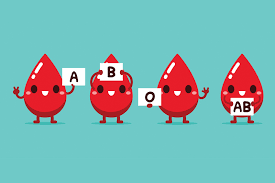
Digestive problems: Lack of digestive enzymes can lead to gastrointestinal bloating, gastritis, and indigestion.
Liver and gallbladder diseases: High cholesterol levels can lead to liver and gallbladder issues.
Obesity: Type A blood individuals are prone to gaining weight due to low metabolism and high psychological stress.
Principle
The body requires plant proteins. Consuming more vegetables and beans can aid in weight loss. Reducing meat intake can help with faster weight loss.
Diet
1. Reduce animal protein intake; avoid beef, lamb, organ meats, and pork while consuming more fish and chicken.
2. Increase plant proteins, such as soy protein.
3. Limit dairy products like butter, cheese, cream, and egg yolks but drink soy milk.
4. Eat foods that lower cholesterol, such as beans (soybeans, mung beans, red beans, soy milk), tofu, deep-sea fish oil, flaxseed oil, and walnuts.
5. Include foods rich in vitamin C, vitamin E, and carotenoids, like berries, cherries, lemons, leafy greens, peanuts, pineapple, and grains.
6. Eat more grains like oats, millet, and brown rice.
7. Drink dandelion tea to improve liver function and Chai Hu tea to reduce cholesterol.
Type B Blood
Origin
Type B blood originated with nomadic tribes and is adapted for a diet rich in meat, dairy, and high-protein foods.
Digestive System
Type B blood people have a strong digestive system that efficiently absorbs various nutrients, though they are prone to weight gain. Their high metabolism supports growth and recovery from illness.
Health Issues
Obesity: Due to efficient nutrient absorption, Type B blood individuals are at risk for obesity, diabetes, high blood pressure, and heart disease.
Lung diseases: They are more susceptible to respiratory issues like pneumonia and tuberculosis.
Immune system disorders: Type B blood individuals have a weaker defense against viruses like the flu.
Chronic fatigue syndrome: Long-term stress or unsuitable environments can lead to chronic fatigue syndrome.
Principle
Type B blood people have a balanced immune system and can adapt well to both meat and plant-based foods, including dairy.
Diet
1. Type B blood individuals should eat more high-quality proteins such as beef, lamb, rabbit, and most fish, while avoiding pork, organ meats, ham, duck, and smoked meats.
2. Dairy products and vegetables are generally suitable.
3. While they can digest various foods, they should limit noodles and chicken due to lectins that hinder metabolism.
4. Focus on low-carb foods like avoiding corn, wheat, and noodles.
5. Green tea is beneficial for Type B blood.
6. Maintain a balanced and varied diet.
Type AB Blood
Origin
Type AB blood is the most recent and rarest blood type, resulting from the combination of A blood from Indonesian ethnic groups and B blood from Mongolian tribes.
Digestive System
Type AB blood people have a strong adaptation ability, with digestive characteristics similar to Type A blood but can handle both plant and animal proteins. Their digestive system is sensitive, so they benefit from eating smaller, more frequent meals.
Health Issues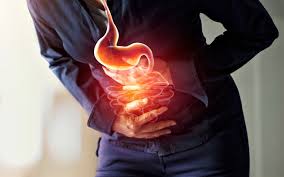
Digestive issues: Low stomach acid limits nutrient absorption and digestion.
Respiratory diseases: The respiratory system is vulnerable to external bacteria.
Heart disease: Higher cholesterol levels can lead to heart disease.
Obesity: Slow digestion of animal proteins and a less robust immune system contribute to weight gain.
Principle
Type AB blood individuals should control animal protein intake and prefer cooking methods like steaming, boiling, and stewing over frying.
Diet
1. Consume more tofu and other soy products for better plant protein digestion.
2. Limit meat intake to avoid organ meats, cured meats, and fatty meats.
3. Eat foods rich in vitamin C, such as grapefruit and lemons, to support the immune system.
4. Favor whole grains over refined grains.
5. Adopt a small, frequent meal approach.
Type O Blood
Origin
Type O blood is the oldest blood type, appearing between 60,000 and 40,000 years ago, with a diet focused on hunting and gathering wild fruits, seeds, and meat.
Digestive System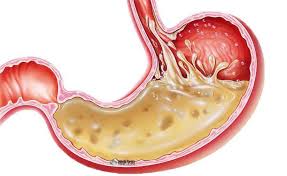
Type O blood people have strong digestive capabilities and require animal proteins as a major energy source. They have a robust immune system and high metabolism.
Health Issues
Peptic ulcers: More susceptible to H. pylori infections.
Blood clotting issues: Type O blood has thinner blood and may have unstable thyroid function.
Allergies: Higher sensitivity to allergens due to a hyperactive immune system.
Principle
Animal proteins are the main energy source for Type O blood individuals, but they should avoid dairy, beans, and grains.
Diet
1. Focus on animal proteins, including lean meats (beef, lamb), eggs, seafood, and leafy greens.
2. Limit grains, beans, and starchy foods.
3. Avoid fatty meats, ham, various cheeses, ice cream, and full-fat dairy.
4. Avoid foods that can cause weight gain, such as wheat, white bread, biscuits, and corn.
5. Cooking methods include steaming, grilling, and frying.
6. Eat fruit separately, ideally 30 minutes after meals.
發表評論


.png?w=1080&h=1080)