Don't feel like exercising, is there a method for losing fat while sleeping?
Oct 07,2024

Regulate hormones
Insufficient sleep can affect two key appetite-regulating hormones:
👉 Leptin: A hormone that controls feelings of fullness. Getting enough sleep helps maintain normal leptin
levels, making you feel satisfied after eating and reducing the tendency to overeat.
👉 Ghrelin: A hormone that stimulates appetite. Lack of sleep can increase ghrelin levels, making you feel
hungrier, especially with a heightened craving for high-calorie and sugary foods.
Reduce stress hormone—Cortisol
Insufficient sleep can increase physical stress, leading to elevated cortisol levels. Cortisol is a stress hormone that,
when too high, promotes fat storage, particularly in the abdominal area. Quality sleep helps lower cortisol levels
and reduces fat accumulation.
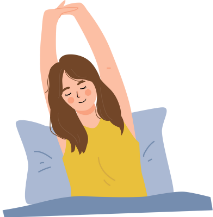
Boost metabolism
Insufficient sleep can reduce the body's metabolic efficiency, slowing down
calorie burning and making it easier to store more fat. On the other hand,
adequate sleep helps maintain a high metabolism, allowing you to burn
calories more effectively during daily activities and exercise.
Enhance exercise performance
People who get enough sleep often have better energy levels and physical
fitness, allowing them to engage in higher-intensity workouts. This helps burn more calories and fat, promoting
weight loss.
Facilitate exercise recovery and muscle repair
Sleep is a crucial time for the body to recover and repair, especially after strength training or other forms of
exercise. It aids in muscle repair and growth while also speeding up overall recovery. Better recovery means
improved performance during workouts, allowing you to burn more calorie.

Reduce emotional eating
Insufficient sleep can impact mood, making it easier to feel anxious,
stressed, or fatigued. In such situations, many people turn to high-
calorie comfort foods, leading to unnecessary calorie intake. On the
other hand, quality sleep helps maintain emotional stability,
reducing the occurrence of emotional eating.
Extend non-eating periods
When you sleep, you naturally extend the time you don't eat, avoiding late-night snacks or midnight munching.
A longer fasting period has a positive effect on metabolism, helping the body burn more fat reserves.
發表評論
.png?w=1080&h=1080)