Why Weight Loss Often Shrinks the Bust? 4 Ways to Prevent It!
Sep 15,2025
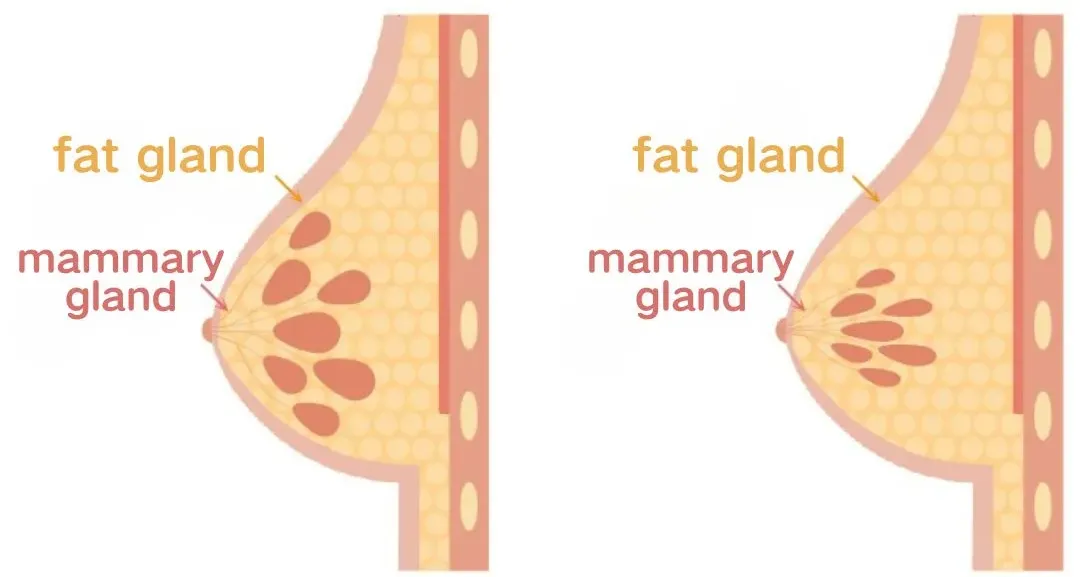
Many people notice their chest is the first to slim down when losing weight. Why is that? Breasts are made up of two main components: fat and mammary glands. The proportion between these determines whether the bust is more glandular or fatty—and how it responds to weight loss.
- Glandular Type:
When lying on your back, the chest maintains its shape and lift. This type has a higher concentration of glandular tissue and is less affected by fat loss. - Fatty Type:
Tends to flatten when lying down. This type is more fat-dominant, so the chest size may shrink or sag more noticeably during weight loss.![]()
1. Strength Training
Incorporating anaerobic exercises helps build muscle beneath the chest. This creates firmer, more lifted contours—even as fat decreases. Aim for 2–3 sessions per week focusing on chest strength.
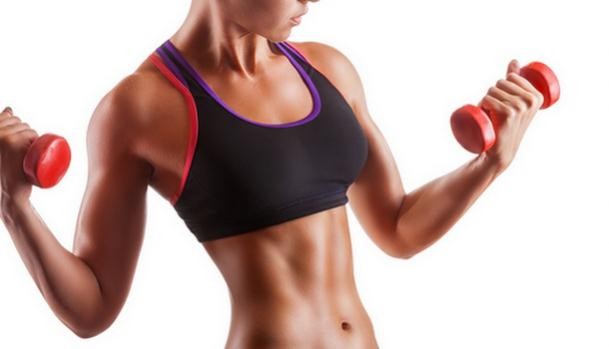
2. Smart Cardio
Cardio is key for fat loss, but moderation matters. Overdoing it may lead to unwanted volume loss. Stick to 3–4 sessions a week, no longer than 40 minutes per session. Try incline push-ups or chest presses to tone without triggering sagging.

3. Balanced Nutrition
Severe calorie restriction can deplete fat, muscle, and hydration—leading to sagging and volume loss in the bust. A healthy diet supports the chest’s structure as you lose fat elsewhere.
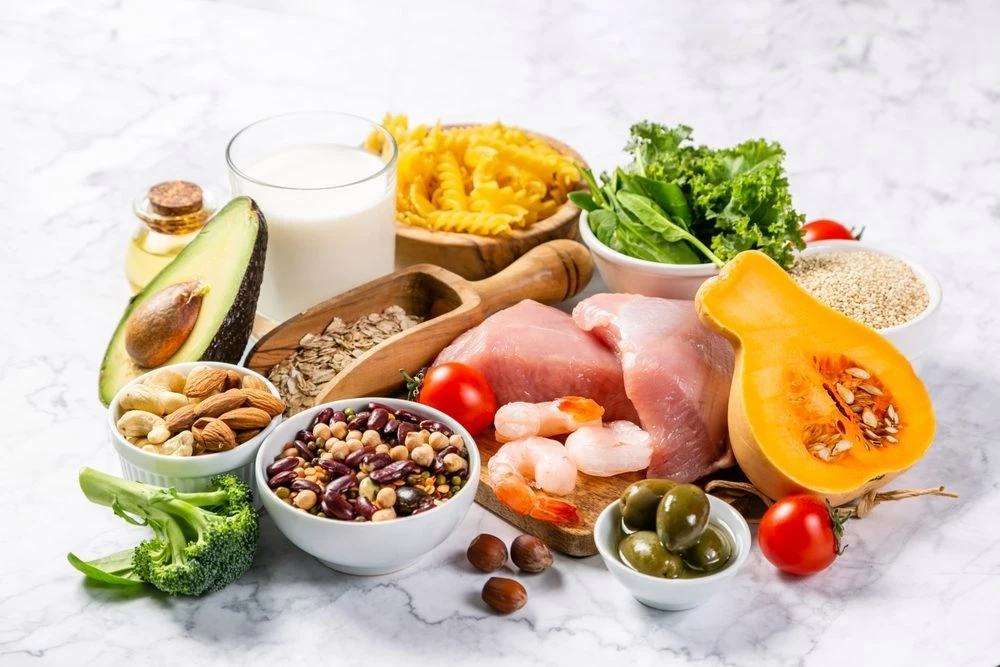
Recommended Foods:
- Protein (for muscle maintenance): eggs, milk, chicken breast, fish
- Healthy fats: avocado, nuts
- Vegetables: spinach, broccoli, lettuce
- Phytoestrogens (for breast tissue health): tofu, soy milk, other soy products
4. Supportive Sports Bras
During workouts, proper support is essential. A well-fitted sports bra minimizes movement, protects ligaments, and helps prevent sagging or deformation over time.
Comment
.png?w=1080&h=1080)